
whole-child wellness

After a long winter indoors, children’s bodies are ready to move. Spring offers more than just better weather—it provides a powerful opportunity to support nervous system regulation through outdoor play.

Anxiety in children doesn’t always look the way we expect. It’s not always obvious worry or fear. More often, it shows up through the body and behavior—because anxiety is, at its core, a nervous system experience.
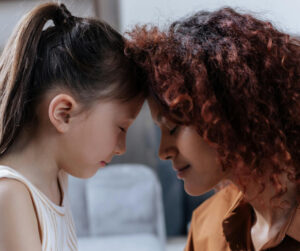
When we talk about children’s health, we often focus on nutrition, sleep, and growth charts. But beneath all of those systems lies something even more foundational: the nervous system.
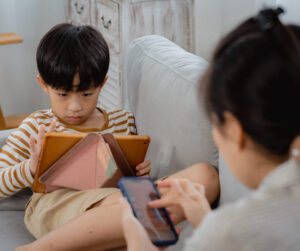
Screens are part of modern childhood. From schoolwork to entertainment to social connection, they’re woven into daily life. But while technology offers convenience and opportunity, it also has a powerful effect on the developing nervous system.
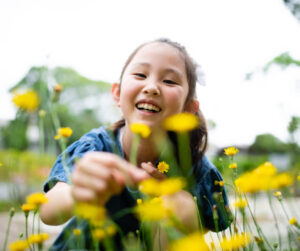
As winter fades and everything begins to bloom, many families notice a different kind of seasonal shift—sneezing, itchy eyes, congestion, and fatigue. Spring pollen can be tough on kids, especially when their systems are still developing and learning how to respond to environmental triggers. Understanding how to support your child during this season can make a meaningful difference in how they feel day to day.

Have you ever watched your child go from calm to completely overwhelmed in seconds? One moment they’re fine — the next, they’re yelling, running away, or shutting down entirely.

Have you ever noticed that one child melts down over a clothing tag, while another seems to crash into every couch cushion in the house? These behaviors can feel confusing — especially when siblings respond so differently to the same environment.

Every parent wants their child to be resilient — able to handle stress, bounce back from disappointment, and move through challenges with confidence. But resilience isn’t something we lecture into our children. It’s something their nervous system learns through experience.

As the chill of winter settles in, so do the seasonal sniffles, dry skin, and indoor restlessness. At our practice, we know that supporting your child’s health this time of year goes beyond just bundling them up. Winter wellness is about supporting the whole child—body, mind, and spirit—through intentional habits that boost immunity, regulate mood, and promote resilience.

As more families explore nutrition’s role in overall wellness, many are discovering that food sensitivities may be affecting their child’s behavior, digestion, or energy levels. Unlike allergies, which can cause immediate and severe reactions, food sensitivities tend to show up as subtle symptoms over time—making them harder to pinpoint.