
outdoor play
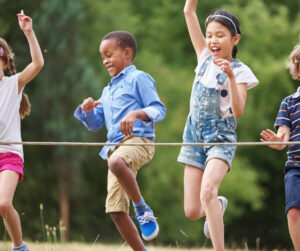
After a long winter indoors, children’s bodies are ready to move. Spring offers more than just better weather—it provides a powerful opportunity to support nervous system regulation through outdoor play.

After months of shorter days and more time indoors, spring offers a natural reset. You may notice your child has more energy—or the opposite, where they seem sluggish and slow to transition.

Middle schoolers are in a unique stage—craving independence, testing boundaries, and beginning to define their own interests. While the draw of screens and indoor lounging is strong, winter can still offer outdoor opportunities that speak to their developing sense of identity and need for autonomy.
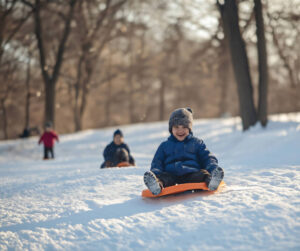
The early school years are a time of rapid growth—not just academically, but physically, socially, and emotionally. During the winter months, it can be tempting to hibernate indoors. But with the right activities and a bit of creativity, winter becomes a perfect opportunity for young children to build confidence, coordination, and a love of movement.

Winter magic doesn’t have to mean cabin fever — especially for your energetic little explorers. For toddlers and preschoolers, outdoor play in the colder months can be a joyful (and developmentally rich!) experience, filled with movement, wonder, and sensory delight.

Winter brings hot cocoa, holidays, and… a spike in colds, flu, and other seasonal bugs. While exposure to germs is inevitable—especially for little ones—there’s plenty you can do to strengthen your child’s immune system from the inside out.
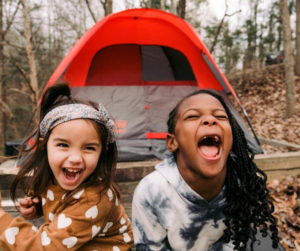
As cooler air settles in and leaves begin to fall, many families brace for what seems like an inevitable wave of colds, sniffles, and seasonal illnesses. But what if fall wasn’t just a time to react to illness—but a powerful opportunity to build resilience? From a holistic pediatric perspective, autumn offers a unique window to strengthen children’s immune systems in alignment with nature’s rhythms.
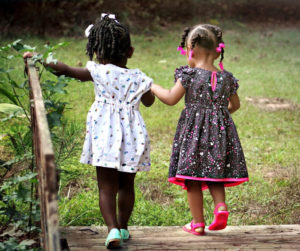
You don’t need a national park to spark a child’s curiosity—your own backyard can be a rich classroom for discovery, wonder, and growth. Nature exploration encourages kids to slow down, observe, and interact with the world around them in meaningful ways. It also supports physical, emotional, and cognitive development—all while having fun.

Outdoor play is not just fun for children; it’s essential for their physical health, emotional well-being, and social development. This blog post explores the myriad benefits of outdoor play and offers tips on how to encourage children to spend more time engaging with the natural world.