
Prevention
Welcome to our Prevention category page, where we focus on proactive approaches to keep your child healthy and thriving. These blog posts are designed to help you stay one step ahead, offering valuable insights into disease prevention, healthy habits, and early intervention strategies.
From vaccinations and routine check-ups to tips on building a strong immune system, prevention is the key to laying a solid foundation for lifelong well-being. Explore these posts to learn how small, intentional steps today can make a big difference in your child’s health tomorrow. Together, we can help your child stay happy, healthy, and ready to take on the world!
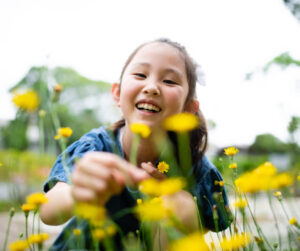
Helping Kids Navigate Pollen Season
As winter fades and everything begins to bloom, many families notice a different kind of seasonal shift—sneezing, itchy eyes, congestion, and fatigue. Spring pollen can be tough on kids, especially when their systems are still developing and learning how to respond to environmental triggers. Understanding how to support your child during this season can make a meaningful difference in how they feel day to day.

Resetting After Winter
After months of shorter days and more time indoors, spring offers a natural reset. You may notice your child has more energy—or the opposite, where they seem sluggish and slow to transition.

Fight, Flight, Freeze
Have you ever watched your child go from calm to completely overwhelmed in seconds? One moment they’re fine — the next, they’re yelling, running away, or shutting down entirely.

Sensory Sensitivity and Sensory Seeking
Have you ever noticed that one child melts down over a clothing tag, while another seems to crash into every couch cushion in the house? These behaviors can feel confusing — especially when siblings respond so differently to the same environment.

Why Your Calm Is the Most Powerful Tool You Have
When a child is overwhelmed, dysregulated, or melting down, our instinct is often to correct the behavior quickly. We explain, reason, or try to fix it. But in moments of stress, your child’s thinking brain isn’t fully online.

When Kids Are Running on Empty
Sometimes a child isn’t “acting out.”
Sometimes they’re maxed out.
In today’s world, children experience constant stimulation — busy school days, extracurricular activities, social dynamics, screens, noise, expectations. Even positive activities can add up. When the nervous system doesn’t get enough recovery time, it can tip into overload. And overload doesn’t always look dramatic.

Winter Activities for Teens
High schoolers are often under more stress than we realize—balancing schoolwork, social dynamics, and increasing responsibilities. While younger kids may jump at the chance to play outside, teens can need a little more prompting, especially in colder months. But winter offers unique opportunities for older kids to unplug, decompress, and reconnect with the world beyond their screens.

Winter Outdoor Activities for Middle Schoolers
Middle schoolers are in a unique stage—craving independence, testing boundaries, and beginning to define their own interests. While the draw of screens and indoor lounging is strong, winter can still offer outdoor opportunities that speak to their developing sense of identity and need for autonomy.
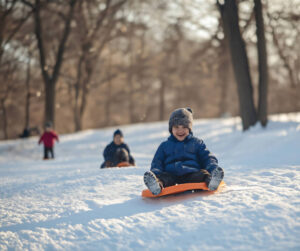
Winter Outdoor Fun for Elementary Kids
The early school years are a time of rapid growth—not just academically, but physically, socially, and emotionally. During the winter months, it can be tempting to hibernate indoors. But with the right activities and a bit of creativity, winter becomes a perfect opportunity for young children to build confidence, coordination, and a love of movement.

Snowflakes and Wiggles
Winter magic doesn’t have to mean cabin fever — especially for your energetic little explorers. For toddlers and preschoolers, outdoor play in the colder months can be a joyful (and developmentally rich!) experience, filled with movement, wonder, and sensory delight.