

Blog
We invite you to discover a treasure trove of information that goes beyond medical facts, offering a holistic view of nurturing your child's health. Our blog is a place where knowledge meets experience, providing you with valuable resources and a deeper understanding of the many facets of raising a healthy and happy child. Join us on this journey of exploration and empowerment as we share our passion for holistic care and growth.

Gentle Rhythms
Sleep is more than rest—it’s a cornerstone of health, development, and emotional balance. At our practice, we view sleep not just as a schedule to manage, but as a rhythm to honor. A well-rested child is more resilient, joyful, and ready to learn.
Emotional Milestones
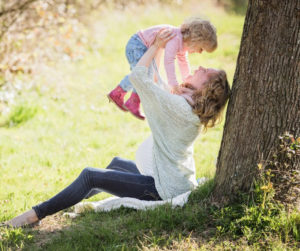
Just like learning to walk or talk, children pass through emotional milestones that shape how they connect, express, and understand themselves. At our clinic, we believe nurturing emotional health is just as important as tracking height and weight. Supporting the whole child means recognizing that emotions are part of growth too.

The Whole Child Approach
When it comes to your child’s health, there’s so much more to consider than just physical checkups. A holistic pediatrician views your child as a complete person—body, mind, and spirit—ensuring that every aspect of their development is supported. This approach goes beyond treating illness; it’s about fostering lifelong wellness from the inside out.

Fall Allergies in Kids
While many parents brace for spring pollen, fall allergies often sneak up as an under-recognized culprit behind congestion, fatigue, and irritability in children. Ragweed, mold spores, and indoor allergens like dust mites tend to surge during this season—just as kids are back in school and spending more time indoors. The result? Sneezing, runny noses, itchy eyes, and disrupted sleep that can affect focus, behavior, and immunity.

Building Resilience Through Nature
As cooler air settles in and leaves begin to fall, many families brace for what seems like an inevitable wave of colds, sniffles, and seasonal illnesses. But what if fall wasn’t just a time to react to illness—but a powerful opportunity to build resilience? From a holistic pediatric perspective, autumn offers a unique window to strengthen children’s immune systems in alignment with nature’s rhythms.

The Cozy Shift
As the golden glow of summer fades into the crisp air of fall, many families feel the subtle shift in energy, pace, and mood. For children especially, seasonal transitions can bring both excitement and unease. New routines, changes in daylight, and even weather can impact mood, sleep, and behavior. At our clinic, we see fall not just as a seasonal change, but as an opportunity to support children holistically—body, mind, and heart.

Helping Kids Navigate Peer Pressure
As children grow and begin to explore the world beyond their family, friendships take on greater importance. While these relationships can be deeply enriching, they can also introduce challenges—especially when kids feel pressure to fit in. Teaching children how to navigate peer pressure helps them build inner strength, resilience, and a sense of self-worth that doesn’t rely on others’ approval.
Easing First-Day Jitters
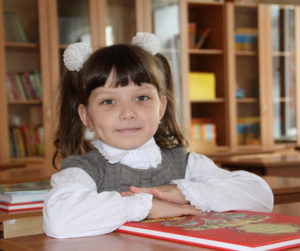
The start of a new school year brings excitement—but it can also stir up anxiety for many children. Whether it’s starting kindergarten, entering a new grade, or switching schools, those first-day jitters are completely normal. With a little preparation and emotional support, you can help your child walk into school feeling calm, confident, and ready to learn.
Smart After-School Routines
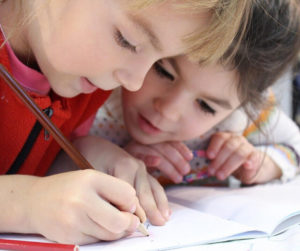
The school day may end mid-afternoon, but for families, the second shift often begins the moment kids walk in the door. Homework, snacks, activities, and downtime all compete for attention—and without a routine, those hours can quickly become chaotic. The good news? A thoughtful after-school rhythm can create structure that actually makes your evenings feel easier, calmer, and more connected.