
Blog
We invite you to discover a treasure trove of information that goes beyond medical facts, offering a holistic view of nurturing your child's health. Our blog is a place where knowledge meets experience, providing you with valuable resources and a deeper understanding of the many facets of raising a healthy and happy child. Join us on this journey of exploration and empowerment as we share our passion for holistic care and growth.

Crafting Confidence
rafting gives children the opportunity to transform everyday materials into something brand new. Whether they’re turning a toilet paper roll into a rocket ship or creating a handprint turkey, they’re practicing resourcefulness and creative thinking.

Cultivating Gratitude
As Thanksgiving approaches, our thoughts naturally turn toward gratitude. But beyond the holiday traditions and festive meals, gratitude is much more than a seasonal sentiment—it’s a powerful emotional habit that can shape your child’s development all year long.

Painting & Drawing
Give a child a crayon, and you’ve given them more than just a tool—you’ve handed them a way to process their world. Painting and drawing aren’t just cute keepsakes for the fridge; they are powerful expressions of emotion, imagination, and developmental growth.

How Art and Music Support Childhood Development
Childhood is full of wonder—and few things spark imagination like art and music. Whether it’s finger painting at the kitchen table or dancing in the living room to a favorite song, creative expression isn’t just fun—it’s foundational.

Gentle Sleep Habits
Sleep is the foundation of every child’s physical, emotional, and cognitive development—but when bedtime becomes a battle, everyone in the household feels it. In holistic pediatric care, we view sleep not as a schedule to enforce, but as a rhythm to support.

The Power of Play
In today’s fast-paced world of schedules, screens, and structured activities, it can be easy to overlook the importance of something beautifully simple: play. But free, unstructured play isn’t just fun—it’s foundational. At our clinic, we champion the value of play as a vital part of your child’s physical, emotional, and cognitive development.
Gut Feelings
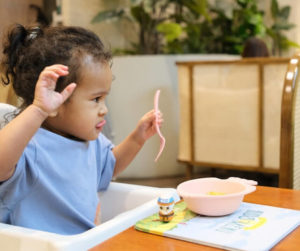
When we think about children’s health, digestion might not be the first thing that comes to mind—but it’s one of the most powerful foundations for wellness. The gut does more than process food; it supports immunity, mood regulation, and even brain development. At our clinic, we take gut health seriously because we know it plays a vital role in the whole child.
Gut Check
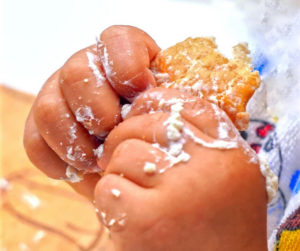
We often think of the gut as simply the place where food gets broken down, but it’s so much more. Your child’s digestive system is a communication hub, an immune defense line, and a key player in their overall well-being. As holistic pediatricians, we pay close attention to the gut—not just for tummy aches, but for its ripple effects throughout the body.

Breathing Easy
We all know that fresh air is good for us—but have you ever considered just how much the air your child breathes impacts their well-being? From the quality of indoor spaces to the environment outside your front door, air quality plays a powerful role in your child’s health, energy, focus, and even emotional regulation.