
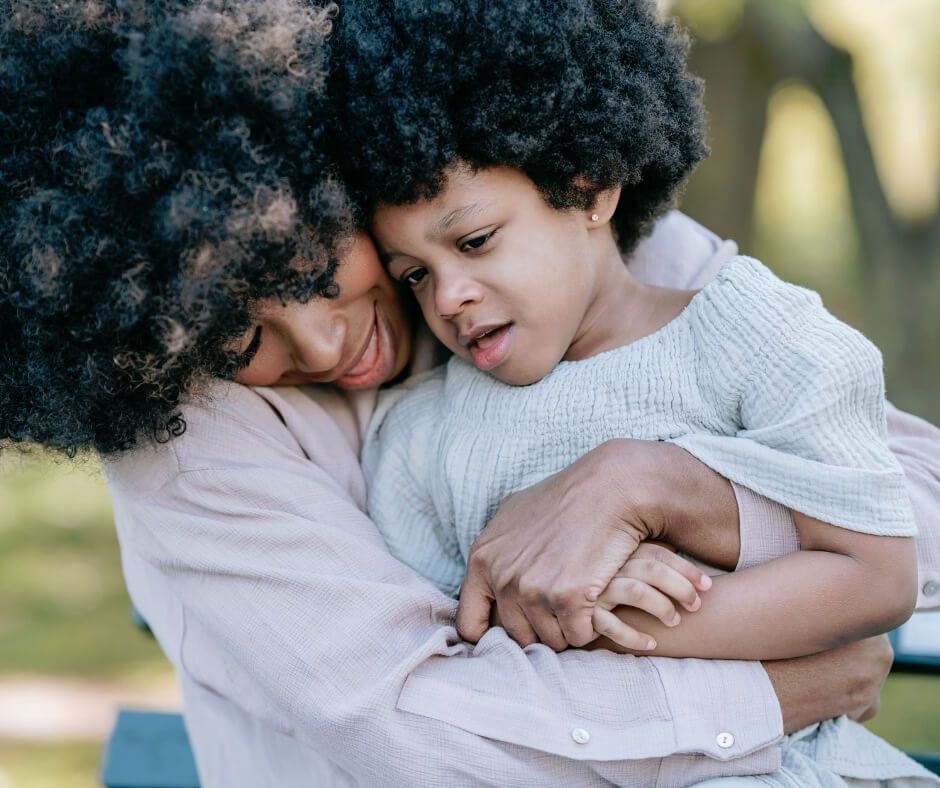
Separation Anxiety in Children
Watching your little one cling to your leg at daycare drop-off can break your heart. You're not alone—separation anxiety affects up to 4% of children and is a completely normal part of development.
Separation Anxiety in Children
Watching your little one cling to your leg at daycare drop-off can break your heart. You're not alone—separation anxiety affects up to 4% of children and is a completely normal part of development.
5 Gentle Ways to Help
Watching your little one cling to your leg at daycare drop-off can break your heart. You’re not alone—separation anxiety affects up to 4% of children and is a completely normal part of development.
The good news is that with patience and the right approach, you can help your child feel more secure when you’re apart. These gentle strategies work because they respect your child’s emotional needs while building their confidence.
Start Small and Build Confidence
The secret to overcoming separation anxiety lies in baby steps. Think of it like building muscle—you wouldn’t start with heavy weights, and your child shouldn’t start with long separations.
Begin with very short separations in familiar places. Leave your child with a trusted caregiver for just 15-30 minutes while you run a quick errand. Gradually increase the time as your child becomes more comfortable with the routine.
Create Predictable Goodbye Rituals
Children thrive on routine, especially during stressful moments. A consistent goodbye ritual helps your child know what to expect and feel more in control of the situation.
Your ritual might include:
- A special hug and kiss sequence
- A favorite phrase like “See you after snack time!”
- Looking out the window to wave goodbye
- Leaving a small comfort item that smells like you
Practice with Play
Turn separation into a game that feels safe and fun. This helps your child process their feelings about being apart from you without the real stress of actual separation.
Try these playful approaches:
- Hide-and-seek games that involve brief separations
- Playing “school” or “work” with dolls and stuffed animals
- Reading books about starting school or being brave
- Peek-a-boo variations that teach “going away” and “coming back”
Validate Their Feelings While Staying Calm
It’s tempting to sneak out when your child isn’t looking, but this can actually make separation anxiety worse. According to the American Academy of Pediatrics, honest, calm goodbyes work better than disappearing acts.
Acknowledge your child’s feelings with phrases like “I can see you’re worried about me leaving” or “It’s hard when Mommy goes to work.” Then offer reassurance: “I always come back” and “Mrs. Sarah will take good care of you.”
Know When to Seek Support
Most children outgrow separation anxiety between ages 3-4, but some need extra help. At Harmony Pediatrics, Dr. Chheda often reminds parents that every child’s timeline is different, and seeking guidance is a sign of good parenting, not failure.
Trust your instincts—you know your child best, and gentle, consistent support will help them feel secure in your love, even when you’re apart.
❤️ Join Our Harmony Family
Discover personalized pediatric care that grows with your family. Our membership program offers exclusive benefits, priority scheduling, and direct access to our dedicated team of pediatricians.

❤️ Join Our Harmony Family
Discover personalized pediatric care that grows with your family. Our membership program offers exclusive benefits, priority scheduling, and direct access to our dedicated team of pediatricians.