
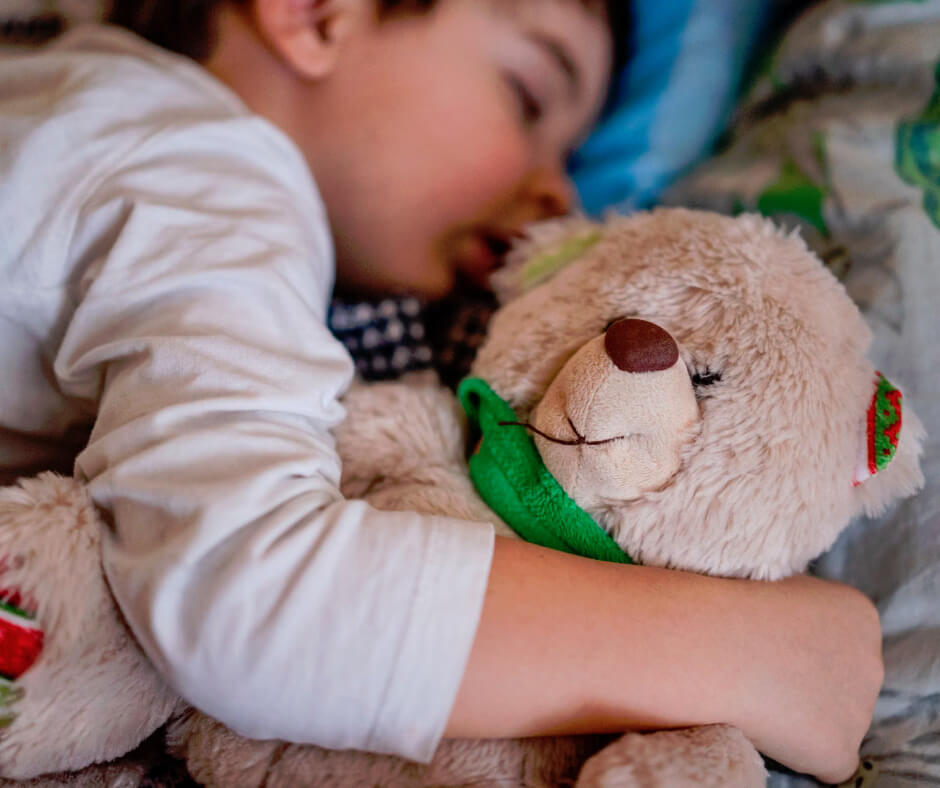
Sleep and Cognitive Development in Kids
Bedtime battles are exhausting — but what happens when your child consistently doesn't get enough sleep goes far beyond a grumpy morning. The connection between sleep and cognitive development is one of the most important...
Sleep and Cognitive Development in Kids
Bedtime battles are exhausting — but what happens when your child consistently doesn't get enough sleep goes far beyond a grumpy morning. The connection between sleep and cognitive development is one of the most important...
Why rest is your child’s secret study weapon
Bedtime battles are exhausting — but what happens when your child consistently doesn’t get enough sleep goes far beyond a grumpy morning. The connection between sleep and cognitive development is one of the most important things parents can understand about their child’s brain.
Sleep isn’t downtime for a growing brain — it’s actually work time. While your child rests, their brain is consolidating memories, building new connections, and preparing for everything the next day will ask of it.
What Happens in the Brain During Sleep
Sleep is when children’s brains do some of their most critical work. During deep sleep stages, the brain replays and stores information from the day — a process essential for learning and memory. It also clears out metabolic waste that builds up during waking hours, essentially giving the brain a nightly reset.
According to a landmark study highlighted by Neurocare Group, researchers at the University of Maryland School of Medicine examined data from over 8,000 children and found that sleep dramatically affects brain development. The University of Maryland School of Medicine findings were particularly striking: the negative effects on brain structure and cognitive skills persisted over time — meaning this isn’t just about one bad night’s sleep.
How Sleep Loss Shows Up in Kids
Parents often attribute learning struggles, mood swings, or behavior challenges to other causes — but sleep is frequently a hidden factor. The Society of Pediatric Psychology notes that insufficient or disrupted sleep negatively affects all areas of functioning: physical, emotional, cognitive, and social.
Signs that your child may not be getting enough quality sleep include:
- Difficulty focusing or staying on task at school
- Increased impulsivity or emotional outbursts
- Trouble retaining information or following instructions
- Frequent daytime irritability or hyperactivity
- Difficulty waking up in the morning despite an early bedtime
These signs are easy to chalk up to personality or stress — but they’re often the brain asking for more rest.
Sleep Needs by Age
The Pediatric and Adolescent Medicine group emphasizes that sleep requirements shift significantly as children grow. General guidelines look like this:
- Toddlers (1–2 years): 11–14 hours including naps
- Preschoolers (3–5 years): 10–13 hours
- School-age children (6–12 years): 9–12 hours
- Teenagers (13–18 years): 8–10 hours
A 2025 study published in ScienceDirect reinforces that early sleep patterns have lasting effects on cognitive outcomes — making consistent sleep habits in the toddler and preschool years especially valuable.
Simple Ways to Protect Your Child’s Sleep
Good sleep hygiene doesn’t have to be complicated. A few consistent habits make a meaningful difference:
- Keep a predictable bedtime routine (bath, book, bed)
- Dim lights and reduce screen time 60 minutes before bed
- Keep bedrooms cool, quiet, and dark
- Avoid caffeine — yes, even in kids’ drinks and snacks
- Protect weekends from dramatic sleep schedule shifts
If you’ve explored our guide on nutrition and brain-boosting strategies for kids, you already know that the brain thrives when multiple pillars — food, movement, and sleep — work together.
When to Talk to a Pediatrician
Sleep problems are extremely common, and the good news is they’re also very treatable. If your child struggles with bedtime resistance, frequent night waking, snoring, or daytime fatigue that won’t quit, it’s worth a deeper conversation.
At Harmony Pediatrics, Dr. Chheda takes the time to look at the whole picture — not just the symptom in front of her. Families navigating sleep challenges are always welcome to connect with Dr. Chheda directly for a personalized, unhurried conversation about what’s really going on. Because a well-rested child isn’t just a happier child — they’re a child whose brain is truly free to grow.
❤️ Join Our Harmony Family
Discover personalized pediatric care that grows with your family. Our membership program offers exclusive benefits, priority scheduling, and direct access to our dedicated team of pediatricians.

❤️ Join Our Harmony Family
Discover personalized pediatric care that grows with your family. Our membership program offers exclusive benefits, priority scheduling, and direct access to our dedicated team of pediatricians.