Baby First Foods
Starting solids with your baby is exciting, but knowing which foods are safe can feel overwhelming. You want to nourish your little one while avoiding anything that could cause harm.
Baby First Foods
Starting solids with your baby is exciting, but knowing which foods are safe can feel overwhelming. You want to nourish your little one while avoiding anything that could cause harm.
Your Complete Safe Feeding Guide
Starting solids with your baby is exciting, but knowing which foods are safe can feel overwhelming. You want to nourish your little one while avoiding anything that could cause harm.
The good news is that introducing baby first foods doesn’t have to be stressful when you know the basics. Let’s walk through the safest options and foods to avoid during those precious early months.
Best First Foods to Introduce
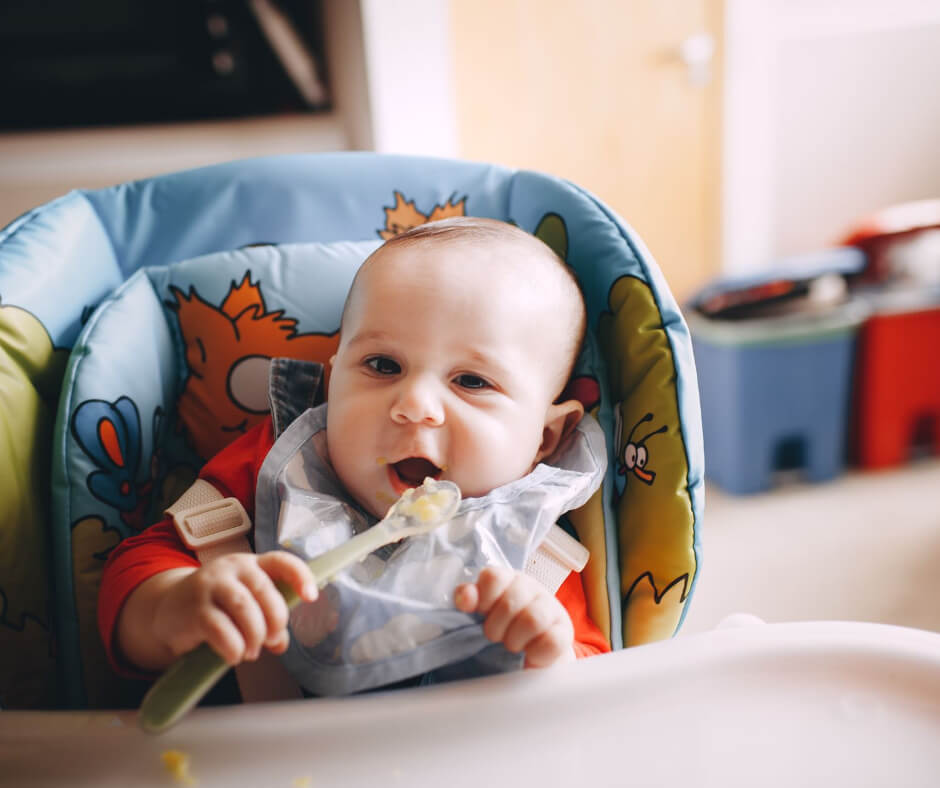
When your baby is ready for solids (around 4 months), these nutrient-rich options make excellent starting points:
Iron-fortified cereals like rice, barley, or oats provide essential iron and are easy to digest. Mix with breast milk or formula for a familiar taste. You want to start with VEGETABLE PUREES before you offer Fresh fruit purees. VEGETABLES OFFER FIBER AND VITAMINS. AFTER A FEW WEEKS OF VEGETABLES, YOU CAN OFFER FRESH FRUIT PUREES FOR THEIR natural sweetness and vitamins—try mashed bananas, pureed apples, pears, or berries.
Pureed proteins support healthy growth. Well-cooked, pureed lentils, beans, and lean meats provide protein without choking risks. Plain whole milk yogurt (after 6 months) delivers beneficial probiotics, healthy fats, and calcium that growing babies need.
Foods to Avoid in Baby’s First Year
Certain foods pose serious health risks for babies under 12 months and should be completely avoided:
Honey can contain spores that cause infant botulism, a dangerous condition babies can’t fight off until their immune systems mature. Cow’s milk is too difficult for young babies to digest and can cause stomach upset.
Large chunks of food create choking hazards. This includes whole grapes, nuts, seeds, large pieces of meat, or hard vegetables. Always puree or mash foods to appropriate textures for your baby’s developmental stage.
Drinks to Skip During Early Feeding
Your baby’s drink choices are just as important as their food options. Stick to breast milk or formula as primary beverages during the first year.
Soda and packaged juices provide zero nutrition while exposing tiny teeth to harmful sugars. Even 100% fruit juices aren’t recommended before 12 months according to the American Academy of Pediatrics.
Water can be introduced in small amounts AFTER 6 MONTHS OF AGE, but breast milk or formula should remain the main source of hydration.
Creating Positive Feeding Experiences
Remember that every baby develops at their own pace, and feeding should be enjoyable for both of you. Watch for signs of readiness like sitting up independently and showing interest in food.
Start slowly with single ingredients, waiting 3-5 days between new foods to identify any reactions. Don’t worry if meals get messy—exploration is part of learning! At Harmony Pediatrics, Dr. Chheda emphasizes that building healthy eating habits starts with patience, variety, and trusting your instincts as a parent.
❤️ Join Our Harmony Family
Discover personalized pediatric care that grows with your family. Our membership program offers exclusive benefits, priority scheduling, and direct access to our dedicated team of pediatricians.

❤️ Join Our Harmony Family
Discover personalized pediatric care that grows with your family. Our membership program offers exclusive benefits, priority scheduling, and direct access to our dedicated team of pediatricians.