Painting & Drawing
Give a child a crayon, and you’ve given them more than just a tool—you’ve handed them a way to process their world. Painting and drawing aren’t just cute keepsakes for the fridge; they are powerful...
Painting & Drawing
Give a child a crayon, and you’ve given them more than just a tool—you’ve handed them a way to process their world. Painting and drawing aren’t just cute keepsakes for the fridge; they are powerful...
Letting Kids Explore the World Through Color and Line
Give a child a crayon, and you’ve given them more than just a tool—you’ve handed them a way to process their world. Painting and drawing aren’t just cute keepsakes for the fridge; they are powerful expressions of emotion, imagination, and developmental growth. In our holistic pediatric approach, we see visual art as a vital outlet that supports the whole child—from fine motor skills to emotional health.
A Window Into Their Inner World
Children often don’t have the words to explain what they’re feeling—but hand them a marker and a blank sheet of paper, and you might be surprised at what unfolds. Drawing allows kids to explore identity, fears, wishes, and joys. A quiet child might suddenly become bold in their colors. A worried child might release their stress through repetitive shapes or soothing strokes of watercolor.
Art helps externalize what can’t yet be verbalized, giving parents and caregivers a gentle glimpse into their child’s inner landscape.
Building Fine Motor Strength—Without the Worksheets
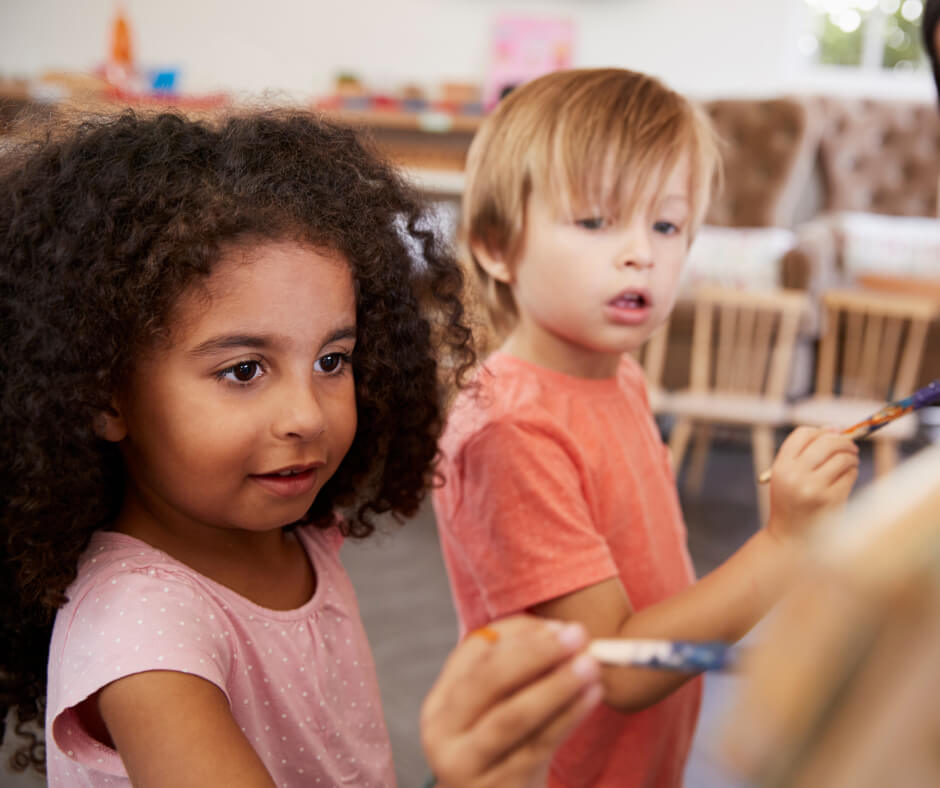
Holding a crayon or paintbrush, making controlled movements, mixing colors, and staying (or not staying!) in the lines all build dexterity and coordination. These are foundational skills for handwriting and other school tasks—but drawing doesn’t feel like work. That’s the magic.
Art time can also help children improve hand dominance, bilateral coordination (using both hands together), and grip strength, all without the pressure of performance. It’s playful and productive at once.
Encouraging Creativity Over Perfection
One of the beautiful things about art is that there’s no right answer. A purple sky, green sun, or square-headed cat? Why not. Encouraging freedom of expression fosters problem-solving, confidence, and innovation. When children feel safe to explore without judgment, they learn that their ideas are valid—and that’s a lesson that lasts well beyond the page.
Instead of asking, “What is it?” try: “Tell me about your picture.” This keeps the conversation open and honors the child’s process rather than focusing only on the product.
Everyday Opportunities for Art
You don’t need a fancy easel or endless craft supplies. Keep it simple and consistent:
- Keep a small basket of crayons and scrap paper available at all times.
- Use sidewalk chalk outdoors for mess-free creativity.
- Let them paint with water on the driveway or in the bathtub.
- Try drawing prompts like “What does happiness look like?” or “Design your own animal.”
These little moments build into a practice of daily creativity—one that becomes part of their rhythm of self-expression.
Art as Family Connection
Sitting down to draw with your child (even if you don’t consider yourself “good at art”) sends a powerful message: what they create matters. When you doodle beside them or ask to join their painting session, you’re not just spending time—you’re sharing a language.
You’re also showing them that creativity is lifelong and that expression isn’t limited to childhood. It’s a gift we carry, grow, and return to.
Supporting the Whole Child Through Visual Expression
At Harmony Pediatrics, we believe that health isn’t just the absence of illness—it’s the presence of joy, connection, and meaningful self-expression. Painting and drawing are more than art activities; they are part of a child’s developmental toolkit. They help children understand themselves, communicate with others, and build the skills that serve them across all areas of life.
As holistic pediatricians, we encourage parents to embrace the scribbles, celebrate the messy masterpieces, and create space for quiet exploration through art. These early experiences are colorful threads in the larger tapestry of your child’s well-being—and they matter more than you think.
❤️ Join Our Harmony Family
Discover personalized pediatric care that grows with your family. Our membership program offers exclusive benefits, priority scheduling, and direct access to our dedicated team of pediatricians.

❤️ Join Our Harmony Family
Discover personalized pediatric care that grows with your family. Our membership program offers exclusive benefits, priority scheduling, and direct access to our dedicated team of pediatricians.