
mental health

Anxiety in children doesn’t always look the way we expect. It’s not always obvious worry or fear. More often, it shows up through the body and behavior—because anxiety is, at its core, a nervous system experience.
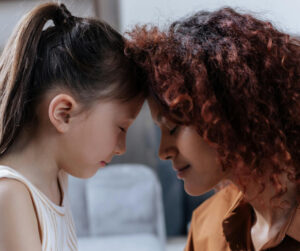
When we talk about children’s health, we often focus on nutrition, sleep, and growth charts. But beneath all of those systems lies something even more foundational: the nervous system.

Every parent wants their child to be resilient — able to handle stress, bounce back from disappointment, and move through challenges with confidence. But resilience isn’t something we lecture into our children. It’s something their nervous system learns through experience.

Sometimes a child isn’t “acting out.”
Sometimes they’re maxed out.
In today’s world, children experience constant stimulation — busy school days, extracurricular activities, social dynamics, screens, noise, expectations. Even positive activities can add up. When the nervous system doesn’t get enough recovery time, it can tip into overload. And overload doesn’t always look dramatic.

The days are shorter, the skies are grayer, and even kids can feel the weight of winter. While we often focus on physical health this time of year, mental and emotional well-being deserve just as much attention—especially for growing minds navigating seasonal shifts.

As cooler air settles in and leaves begin to fall, many families brace for what seems like an inevitable wave of colds, sniffles, and seasonal illnesses. But what if fall wasn’t just a time to react to illness—but a powerful opportunity to build resilience? From a holistic pediatric perspective, autumn offers a unique window to strengthen children’s immune systems in alignment with nature’s rhythms.